Chi uscì con Adele di Francia (1160-1221)?
Henry II of England ha datato Adele di Francia (1160-1221) dal ? al ?. La differenza di età era di 27 anni, 6 mesi e 22 giorni.
Richard I of England ha datato Adele di Francia (1160-1221) dal ? al ?. La differenza di età era di 3 anni, 0 mesi e 19 giorni.
Adele di Francia (1160-1221)
Adele di Francia (4 ottobre 1160 – 1221 circa) fu contessa di Vexin e contessa consorte di Ponthieu.
Per saperne di più...Henry II of England
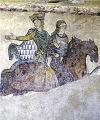
Enrico II Plantageneto (Le Mans, 5 marzo 1133 – Chinon, 6 luglio 1189) è stato duca di Normandia dal 1150, conte d'Angiò e del Maine dal 1151, duca consorte del ducato d'Aquitania, e del ducato di Guascogna dal 1152, e infine re d'Inghilterra dal 19 dicembre 1154 fino alla morte; come regnante inglese ebbe anche autorità su alcune regioni in Galles, Scozia e Irlanda orientale.
Fu il primo re della dinastia plantageneta (o angioina) ed ebbe diversi soprannomi. Era figlio di Goffredo il Bello o Plantageneto, conte di Angiò e del Maine e futuro duca di Normandia, e dell'erede al trono d'Inghilterra e al ducato di Normandia, Matilde d'Inghilterra. In seguito al discusso regno di Stefano il regno di Enrico vide un efficiente rafforzamento e su di lui si è consolidato il positivo giudizio degli storici. "Uomo fiero, energico, instancabile, Enrico fu un intellettuale che seppe utilizzare la cultura europea del suo tempo e le dottrine giuridiche nate nelle Università italiane per dare al suo regno un sistema giudiziario e amministrativo molto avanzato ai suoi giorni e che costituì la base per le riforme costituzionali d'avanguardia che seguirono dopo la sua morte nel 1189". Proprio lui, "di nascita e di lingua francese", è "da considerare uno dei più grandi re inglesi".
Per saperne di più...Adele di Francia (1160-1221)
Richard I of England

Riccardo I d'Inghilterra, noto anche con il nome di Riccardo Cuor di Leone (Richard Cœur de Lion in francese e Richard the Lionheart in inglese) (Oxford, 8 settembre 1157 – Châlus, 6 aprile 1199), è stato re d'Inghilterra, duca di Normandia, conte del Maine, d'Angiò e di Turenna, duca d'Aquitania e Guascogna e conte di Poitiers dal 1189 fino alla sua morte.
Era il terzo dei cinque figli maschi del re d'Inghilterra, duca di Normandia, conte del Maine, d'Angiò e di Turenna, Enrico II d'Inghilterra, e della duchessa d'Aquitania e Guascogna e contessa di Poitiers, Eleonora d'Aquitania. Riccardo era, per parte di madre, il fratellastro minore di Maria di Champagne e di Alice di Francia. Era anche il fratello minore di Guglielmo, conte di Poitiers, di Enrico il Giovane e di Matilda d'Inghilterra, e il fratello maggiore di Goffredo II, Duca di Bretagna, di Eleonora d'Inghilterra, di Giovanna d'Inghilterra e di Giovanni Senza Terra.
Nonostante fosse nato in Inghilterra, dove trascorse l'infanzia, passò la maggior parte della sua vita adulta nel Ducato d'Aquitania, nel sud-ovest della Francia. Fin dall'età di 16 anni, Riccardo prese parte a numerose imprese militari, a iniziare da quelle contro i baroni inglesi ribelli e contro lo stesso padre. Più avanti fu uno dei comandanti cristiani della terza crociata, conducendo la campagna dopo la partenza di Filippo II di Francia e conseguendo numerose vittorie contro i musulmani comandati da Saladino. È uno dei pochi re d'Inghilterra ricordati per il soprannome, "Cuor di Leone", per la coraggiosa abitudine di combattere sempre in prima fila tra i suoi soldati, ed è una figura iconica sia in Inghilterra sia in Francia.
Quando nel 1198 sconfisse i francesi alla battaglia di Gisors, mise in evidenza il principio del diritto divino dei re usando come motto di battaglia la frase Dieu et mon droit (Dio e il mio diritto), ancora oggi usato come motto dal sovrano del Regno Unito, nonché del paese.
Per saperne di più...